Trusted Technicians for Water Lines
Looking for professional Lawrenceville water line repair professionals? We use modern methods to detect flow problems, line breaks, and contamination through pressure mapping, advanced locating techniques, and camera inspection. You'll obtain code-compliant fixes implementing AWWA/ASTM procedures, NSF-61 components, industry-standard bedding/compaction, thrust restraint, and confirmed disinfection. We coordinate paperwork, 811 locates, PRVs/backflow compliance, and log pressures, tests, and warranties. Utilizing trenchless or open-cut methods, we align materials to red clay soils and local pressure zones for reliable results. See how we secure your home and reestablish service properly.
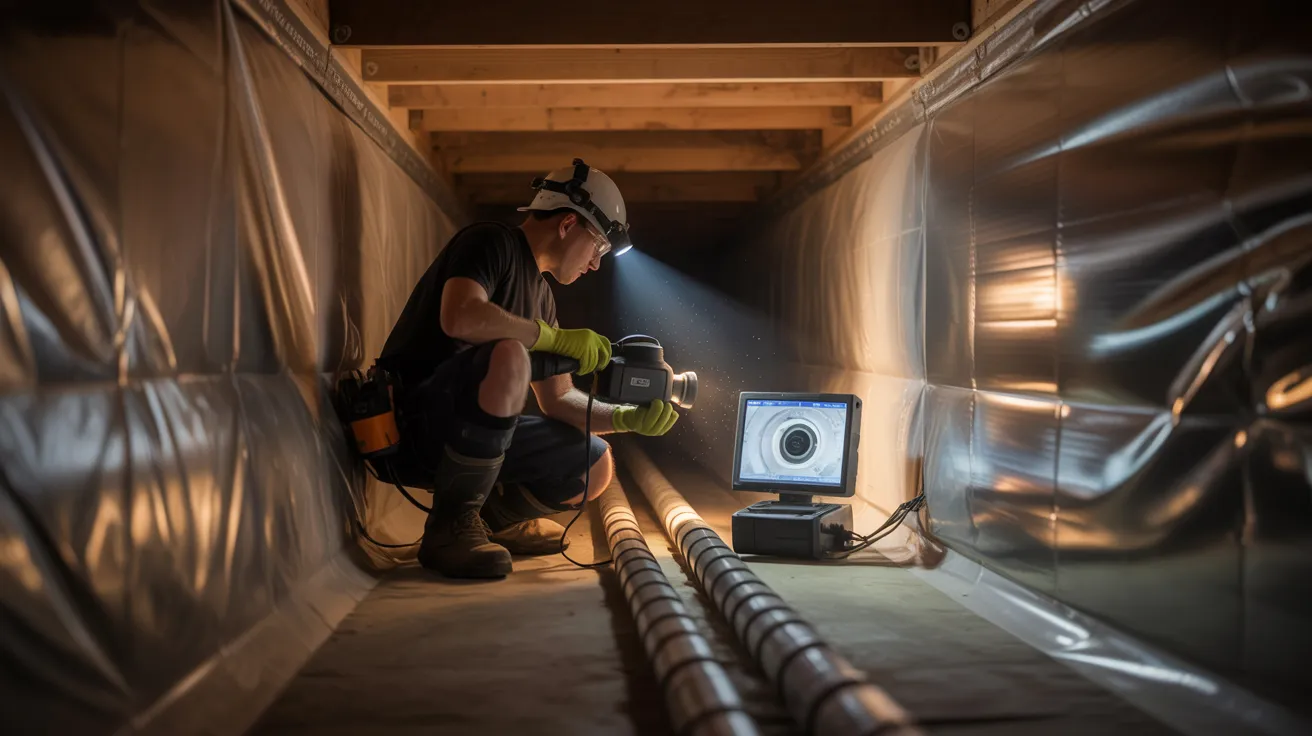
Key Takeaways
- Authorized Lawrenceville specialists who follow local and state building requirements, featuring required documentation, utility marking, and certified materials
- Swift emergency response backed by detailed scopes, itemized pricing, quality assurance, and photographically recorded change orders.
- Proficient in diagnostic techniques: acoustic leak detection, thermal imaging, video inspection, and pressure mapping for precise problem identification.
- Offer trenchless and open-cut repair solutions, with standard bedding, thrust restraint, pressure testing, and disinfection meeting AWWA standards.
- Inform homeowners on leak signs and deliver detailed test reports, chlorine level readings, and final restoration verification.
Signs Your Lawrenceville Home Needs Water Line Repair
Detect problems in the beginning to prevent expensive damage and code violations. Look out for decreased flow across various taps, ongoing low pressure when valves are fully open, or unexpected increases on your water bill. Check for wet drywall, warmth in the slab, puddles forming in the yard, or meter changes with all fixtures off. Monitor leaky fixtures that remain after cartridge replacement, as they may signal upstream supply issues. Be alert to whistling at shutoffs, vibration in pipes, or constant filling at the toilet.
Inspect for discoloration, air sputtering at taps, or unusual odors that point to intrusion or contamination. Evaluate the service line entry point for mineral buildup, leaks, or corrosion. Verify the functionality and marking of shutoff valves. When encountering these warning signs, isolate the line and schedule a licensed assessment.
Common Causes of Water Line Issues and Pressure Problems
You'll discover drops in pressure and water leaks when old or rusted pipes fail, particularly with non-code-compliant materials. Earth settlement and intrusive root growth can shear joints, crush lines, or cause offset fittings, creating breaks and backflow risks. Excessive system pressure and freeze-thaw cycles strain plumbing components and joints, so it's essential to service a PRV and proper insulation to stay compliant and safe.
Deteriorating Pipe Systems
Despite the fact that a system meets code at installation, aging or corroded pipes emerge as a leading factor of leaks, line breaks, and pressure loss. There are issues with internal scaling, pitting corrosion, and metal fatigue that thin the pipe wall and allow water seepage. Steel pipes and aging copper lines may deteriorate, while iron pipes rust, thereby raising breakdown potential and water quality issues. If you still have lead service lines or brass with high lead, deterioration may release lead particles into the water, raising safety and compliance issues.
Be sure to observe static and dynamic pressure, discoloration, and pinhole leaks. Perform ultrasonic thickness testing, corrosion coupon analysis, and water chemistry profiling. Exchange compromised segments with approved materials, add dielectric unions, regulate pH/alkalinity, and set up corrosion control following approved protocols.
Ground Movement and Tree Root Impact
When soil stability fluctuates from seasonal moisture variations, construction-related disturbances, or freezing and thawing patterns, underground water lines lose their consistent support and experience joint strain and bends. You'll observe alignment problems and joint displacement that lead to water loss and pressure drops. Differential foundation movement can cause brittle pipes to break or loosen pipe joints, particularly at branch fittings and junction points.
Tree roots exploit small fissures and gaps, while root penetration intensifies where condensation exists. As root systems develop, they break apart fittings, restrict fluid movement, and stress connection points. Prevent issues by maintaining proper depth, installing appropriate bedding, proper compaction, and joint supports. Implement preventive measures like root-deterrent vegetation, root blocking materials, and scheduled surveys using acoustic methods to identify issues early.
High Pressure and Freezing
While distribution networks are built for a predetermined maximum working pressure, pressure surges from rapid valve shutoffs, pump operations, or fire suppression needs can exceed rating and drive pressure surges which damage pipes, compromise gaskets, and stress joints. You'll notice a high pressure surge propagate at valve speed, reflecting at termination points and fittings, amplifying stress at fittings, turns, and unions. To mitigate this, implement ASSE-listed pressure control valves, vacuum breakers, and slow-acting valves per local code. Maintain support blocks and restraining devices.
Winter cold snaps can cause freeze expansion in stagnant or poorly insulated laterals. The volumetric expansion of water by 9% risks breaking copper, CPVC, or PEX components and affect flow meters. Prevent such problems with proper burial depth, adequate insulation, heat trace systems, and controlled water flow to relieve standing pressure.
Our Step-by-Step Water Line Diagnostic Process
We start with the obvious and narrow the problem methodically: we initially checking static and dynamic pressure at accessible fixtures, then isolate zones to verify whether the problem is related to main lines, branches, or specific fixtures. You'll see us evaluate results against local code thresholds, record variations, and ensure backflow prevention. Subsequently, we perform pressure mapping from meter to terminal points, documenting reductions that indicate blockage or water loss. We utilize sound wave analysis to identify subsurface irregularities and infrared scanning to show concealed saturation or temperature differentials around structural elements. We evaluate PRVs, shutoffs, and expansion controls, verifying alignment and performance. Finally, we test material continuity, joints, and depth-of-cover where exposed, mark utilities, and deliver a detailed, code-aligned evaluation you can verify and confirm safely.
Restoration Techniques We Rely On for Enduring Quality
Build it right, keep it safe, and make it last: we specify repair methods based on material specifications, diameter measurements, depth factors, and code compliance, then execute with AWWA- and IPC-compliant methods. You receive comprehensive material documentation, NSF-61 certified components, and connections secured to manufacturer torque specifications. We conduct pressure checks to AWWA C600/C605 standards, complete durability testing on fittings and supports, and implement disinfection per AWWA C651.
For galvanized or corroded steel, we carefully isolate sections, install dielectric unions and increase sizing to minimize friction loss. When working with copper, we employ brazing techniques or lead-free press fittings incorporating protective sleeve elements. In PVC/HDPE installations, we implement solvent-welding or heat-fusion with calibrated beads and add thrust blocks at crucial bends. Our process includes adding tracer wire, implement pipe bedding to ASTM standards, perform compacted lift backfilling, and validate installation quality through comprehensive flow, pressure, and leak testing before final signoff.
Understanding Trenchless and Conventional Water Line Repair Options
Sort through the choices by aligning approach to site conditions, pipe material, and code. check here When the service line is copper, HDPE, or PVC with restricted entry and firm soil, no-dig pipe restoration - pipe bursting or cured-in-place lining - delivers reduced interference, safeguards landscaping, and fulfills ASTM/ICC standards when set up to manufacturer specs. Check utility locates, backflow protection, and pressure ratings. For extreme shifts, failed segments, undersized lines, or lead/galvanized replacement, choose traditional open-cut. It allows full inspection, proper bedding, appropriate incline, thrust restraint, and code-compliant materials.
Check depth, groundwater levels, and closeness to nearby structures. Verify required permits and inspection points. Perform pressure tests, sanitize as per AWWA guidelines, and restore surface material with carefully compacted backfill. Deploy traffic safety measures, protective shoring, and required PPE. This will lower potential risks, maintain service integrity, and satisfy Lawrenceville standards.
Pricing Transparency and Service Process Overview
Before mobilization, you'll receive a comprehensive scope, itemized cost breakdown, and a not-to-exceed total aligned with project requirements and site parameters. We clearly define customer expectations up front: detailed quotes include all costs including materials, labor, permits, utilities, traffic management, and site restoration. You'll sign off on all options-whether trenchless or traditional-prior to starting.
Upon arrival, we confirm shutoffs, mark utilities per 811, and implement PPE and site controls. We carefully evaluate pipe dimensions, material, depth, and serviceability, prior to performing the specified repair. When we find varying concealed conditions, we halt operations, present photo documentation, and submit a change order for your sign-off-keeping you informed.
You'll observe daily progress updates, pressure and disinfection data when applicable, and a pristine site. The final bill matches the agreed-upon scope, with warranties provided in writing.
Regular Inspections to Safeguard Your Plumbing
Although your water line may seem fine under normal demand, routine inspections discover minor issues before they develop into costly leaks, utility disruptions, or property issues. As part of our evaluation, we carefully examine both static and dynamic pressure measurements, inspect backflow prevention devices, and record meter readings. We use state-of-the-art tools including acoustic listening, thermal scanning, and video pipe inspection to identify microscopic leaks, pipe deterioration, root invasion, and misaligned connections without unnecessary digging.
We also verify code compliance: proper burial depth, approved materials, tracer wire on PE services, and accessible shutoff valves. Regular seasonal upkeep is essential - freeze-thaw cycles, peak summer demand, and ground movement can stress connections and saddles. By providing thorough resident information, you'll recognize when to notify us about changes in pressure, colored water, or damp ground. Repairs are conducted promptly following ASTM and IPC/UPC guidelines, safeguarding water quality and structural integrity.
The Importance of Local Expertise in Lawrenceville Real Estate
It's essential to have a contractor who knows Lawrenceville's soils and chooses pipe materials to prevent corrosion, heaving, and premature failure. Local pros keep your repair plan compliant with Gwinnett County codes, permits, and inspection protocols to eliminate violations and rework. When a line breaks, they know the streets, shutoff locations, and utility contacts, so you get faster, safer emergency response.
Soil and Pipe Compatibility
Due to Lawrenceville's unique soil composition and moisture fluctuations exert distinct loads on buried utilities, pipeline materials and setup must match local geotechnical conditions to remain code-compliant and durable. You need materials and methods validated for soil characteristics, water level variations, and expansion-contraction patterns. Knowledgeable area specialists select HDPE, PVC, or ductile iron with appropriate SDR ratings, anti-corrosion measures, and reinforced joints to accommodate soil displacement.
They'll analyze soil characteristics, then design bedding systems with properly graded angular stone to provide consistent pipe support, safeguard bell joints, and prevent point loading. Proper trench width, lift thickness, and compaction levels minimize deflection and settlement. Where red clay is aggressive, they'll implement protective wrapping, cathodic systems, or isolation joints. Accurate backfill moisture control and staged compaction preserve alignment and increase longevity.
Local Code Compliance
All governance tiers - from Lawrenceville municipal codes to regional and state-level plumbing standards - regulates the sizing, routing, protection, and inspection of water services. You need a contractor who reads local amendments as closely as the base IPC, maintains required clearances from utility lines and systems, and selects AWWA-compliant materials suitable for regional pressure requirements. They'll determine proper depth for frost protection and traffic bearing, install backflow prevention where required, and bond metallic components to maintain electrical continuity.
Regional experience helps expedite permitting procedures by submitting approved site documentation, utility mapping, and connection authorizations in the arrangement inspectors expect. A proven inspection procedure includes excavation security, base and coverage, thrust restraint, line dimensioning, pressure testing and leak checks, valve alignment, curb box placement, meter installation, and disinfection verification prior to site repair.
Rapid Emergency Response
A contractor familiar with Lawrenceville's pressure systems and utility specifications generally offers the fastest resolution. When a main break occurs, you require quick action, not uncertainty. Local teams can efficiently pinpoint your meter, confirm service line components, and isolate leaks using their familiarity with district valves, reducing shutdown impact and structural risk. Implementing strategic procedures, they organize steps: effectively manage water flow, secure against electrical hazards, and maintain circulation in compliance with UPC/IPC standards.
They also streamline 811 coordination, analyze municipal cutoff protocols, and secure right-of-way access efficiently. Technicians arrive with the proper CTS, copper, or HDPE fittings and validated backflow protection, eliminating noncompliant repairs. They document pressures, chlorine residuals, and bacteriological standards, conduct controlled repressurization, and restore service fast while maintaining safety or code.
Common Questions
Do You Handle Immediate Same-Day Water Line Repairs in Lawrenceville?
Indeed, we provide emergency same-day water line repair in Lawrenceville. You'll get 24/7 support, immediate assessment, and up-to-code remediation. We identify the leak, disable utilities, and conduct pressure evaluation, line locating, and camera inspection to identify failures. Technicians execute traditional or no-dig repairs per local code, employ approved fittings, and reinstate service with documented pressure and contamination tests. You'll receive clear pricing, safety controls, and after-service monitoring to avoid recurrence.
Are Your Technicians Licensed, Insured, and Background-Checked?
Yes - every team member is completely certified, insured, and background-verified. Want to know how we ensure reliability? We validate licensing requirements, ensure proper insurance protection, and complete thorough background screening before field deployment. You can expect code-compliant service, safety-oriented practices, and verification of qualifications when needed. We also insist on ongoing training, compliance with all plumbing regulations, and comprehensive safety measures. You'll receive clean ID, clear estimates, and professional conduct from start to finish.
What Warranty and Guarantee Options Exist for Parts and Labor
You get a complete warranty package: parts follow applicable Manufacturer warranties, and installation includes clear Labor guarantees. Parts typically carry 1-5 years according to manufacturer specifications; registration is completed when required. Labor is guaranteed for 12 months, following IPC/UPC code and local amendments. We carefully record pressure tests, depth/bedding, and backfill in accordance with safety standards. Coverage does not apply to misuse, third‑party damage, and freeze events. You'll get full information on claim procedures, response timelines, and transferability terms.
Do You Manage Permits With the City of Lawrenceville?
Absolutely, you're able to coordinate permitting with the City of Lawrenceville. You begin permit assistance by submitting a detailed scope, site plan, and utility locates. You oversee city coordination by scheduling inspections, complying with Gwinnett County/Lawrenceville codes, and securing right-of-way approvals when trenching streets. You must confirm backflow, depth-of-cover, and material specs (e.g., Type K copper/CTS PE). You need to ensure traffic control per MUTCD, document as-builts, and complete the permitting process only after final inspection approval.
Do You Offer Financing or Payment Plans for Major Repairs?
We extend flexible payment plans and deferred financing options for larger repairs. You get to pick financing options that conform to code-compliant scopes, product specifications, and safety requirements. We thoroughly verify project estimates, necessary permits, and inspection schedules, then arrange financing to your financial situation. Financing choices feature favorable interest terms, same-as-cash periods, and staged payments tied to completion stages. You can apply quickly, get fast approvals, and finalize agreements digitally. We won't compromise on safety, quality workmanship, or warranty coverage to meet payment arrangements.
Conclusion
It's not a coincidence you're noticing low water pressure just as your neighbor's property shows signs of soil settlement. You're both using the same deteriorating water line. We offer code-compliant evaluation, flow analysis, and leak detection that focus on security and land preservation. Our team will locate service disconnects, confirm backflow protection, and determine the best repair method per municipal codes. You'll receive transparent cost estimates, handled permits, and thorough cleanup. Contact us now before a minor leak develops into a serious cross-connection or structural risk.